What is a Pop Up Store and what are its benefits
Pop Up stores, also known as ephemeral or temporary stores, are a constantly growing phenomenon in the retail world.
These itinerant stores are short-lived commercial spaces that suddenly appear in strategic locations, offering unique products and experiences to consumers.
Unlike traditional retail stores, Pop Up stores are not designed for a permanent existence. Instead, they open for a limited period, which can range from a few days to several weeks.
These temporary stores or Pop Up Stores are an ideal platform for brands to test new products, build buzz around a launch or connect with their audience in a more personal, authentic way.
Main features of Pop Up stores
Pop Up stores, also known as ephemeral or temporary stores, have unique features that set them apart from traditional retail stores or points of sale.
One of the main differences is their limited duration.
These stores usually open for a short period, often a few days or weeks, although some last for months depending on their activity and goal.
Their short life gives them an aura of exclusivity and urgency that attracts consumers.
Another distinctive feature is their strategic location. Pop Up stores tend to appear in unusual or high-traffic places, generating greater impact.
This unconventional location creates a feeling of novelty and curiosity in the brand’s customers as well as the general public.
Furthermore, the aesthetic of a Pop Up store is meticulously curated. Every element, from the decor to the product presentation, is carefully chosen to tell a unique, captivating story.
This aspect relates directly to the concept of storytelling for sales, which explores narrative as a tool for persuasion.
Benefits of temporary stores for a brand
Why are brands turning to Pop Up stores?
The answer is simple. The benefits are countless, as Pop Up Stores give brands the opportunity to connect with their audience in a deeply personal and emotional way.
One of the main benefits is the creation of memorable experiences. By telling stories and using storytelling for sales in a unique, ephemeral environment, brands can leave a lasting impression on consumers’ minds.
Storytelling becomes a powerful tool for persuasive selling, since people are drawn to narratives that move them and resonate with them.
On the other hand, Pop Up stores also generate a sense of urgency. The idea that this store will only be open for a limited time motivates consumers to act immediately, which can boost sales and product demand.
In addition, temporary stores let brands experiment with new ideas and products. They can launch limited-edition products or test innovative concepts without the long-term commitment of a permanent store, which fosters innovation and creativity.
Examples that work in a Pop Up Store
To better understand the effectiveness of Pop Up stores, let’s look at some examples of how this trend could be used (and is being used) in the retail sector.
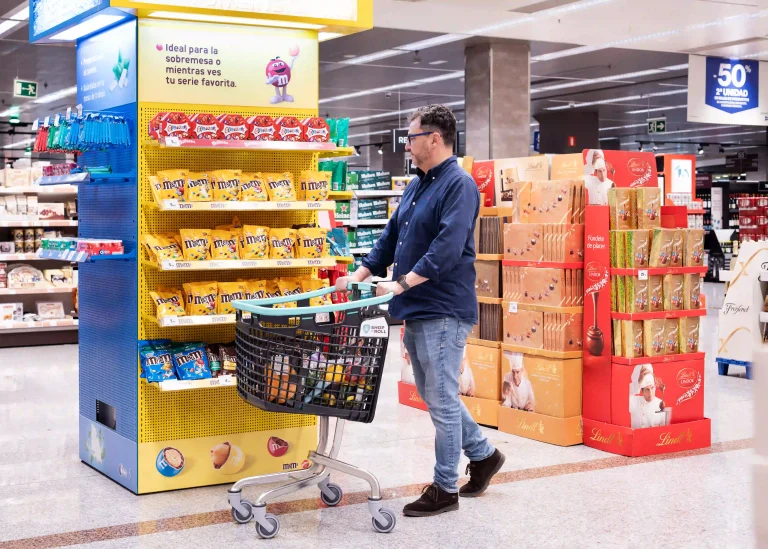
Organic food Pop Up Store in a supermarket
A traditional supermarket could partner with local organic food producers to create a Pop Up store in its space.
This ephemeral store could feature local organic products, providing customers with a unique shopping experience and the chance to meet local producers.
Gourmet products Pop Up Store in a shopping centre
A shopping centre could host a Pop Up store specialising in gourmet products such as cheese, wine, oils and other premium items.
This ephemeral store could appear during the Christmas shopping season, for example, to attract shoppers looking for unique, luxurious gifts.
This way, the shopping centre can diversify its offer and attract an audience interested in more exclusive shopping experiences.
Seasonal products Pop Up Store in a clothing store
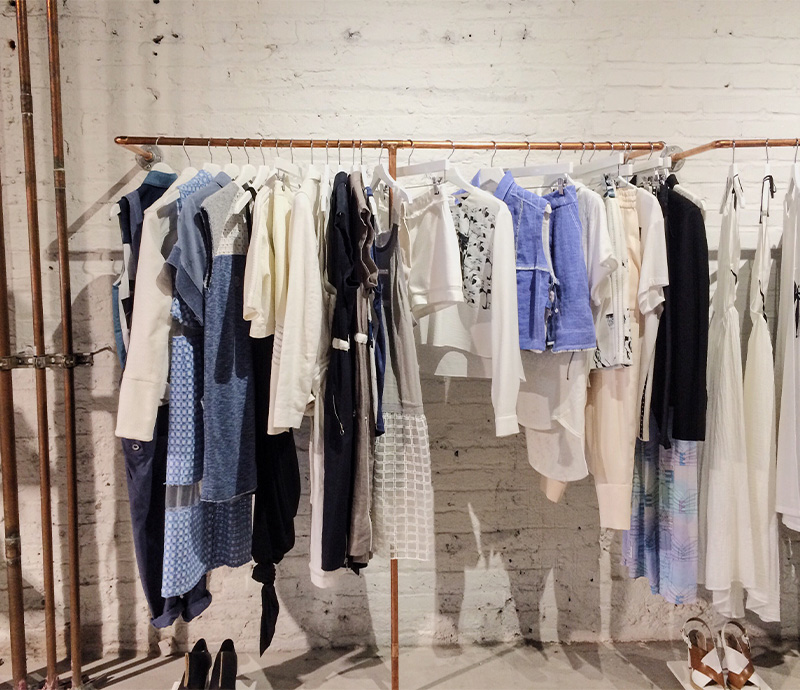
A clothing store could create a Pop Up store to sell complementary seasonal products, such as swimwear in summer or coats and scarves in winter.
This strategy would allow the main store to expand its offer without needing to stock large quantities of out-of-season products, and customers could find relevant, on-trend products in a temporary space inside the main store.