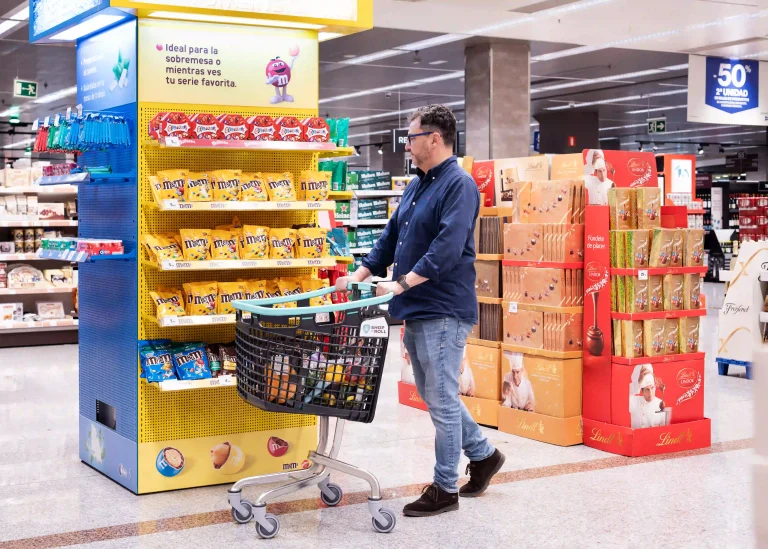
Sustainability at the point of sale. Keys to building a “green” and eco-friendly store
Sustainability at the point of sale is an increasingly important topic.
As the owner or manager of a store, you’re probably wondering how you can contribute to a greener world while also attracting environmentally aware customers.
The truth is that implementing sustainable practices in your store or supermarket not only helps reduce environmental impact but also improves your brand image and can increase customer loyalty.
So if you want to know how to build a sustainable point of sale, keep reading — you’ll find everything you need to know.
Best practices for a sustainable point of sale
1.- Choosing sustainable materials
One of the first steps to creating a sustainable point of sale is choosing the right materials.
Go for recycled or sustainably sourced materials. For example, using recycled shopping trolleys not only reduces environmental impact, but also sends a clear message to your customers about your commitment to sustainability.
You can also bring in furniture and displays made from recyclable or renewable materials.
These kinds of actions always have a significant impact on reducing waste and on your store’s carbon footprint.
2.- Energy efficiency
Energy efficiency is essential to reduce the environmental impact of your point of sale.
That’s why it’s a good idea to invest in LED lighting systems, which consume less energy and have a longer lifespan than traditional bulbs.
You can also consider installing solar panels to generate your own electricity.
Efficient HVAC systems are equally important, so make sure your air conditioning and heating equipment is low-consumption.
These changes may seem expensive at first, but in the long run they translate into significant savings on your energy bills and a reduction in environmental impact.
3.- Waste management
Proper waste management is essential in any sustainable point of sale.
You can opt to implement a recycling system that is clear and accessible for both your employees and your customers.
And on top of that, offer sustainable solutions for your point of sale, such as well-signposted recycling bins placed strategically.
You can also consider composting for organic waste, which can be especially relevant if you sell fresh produce, as it reduces plastic use and favours biodegradable or reusable packaging.
4.- Sustainable suppliers
Working with suppliers who share your sustainability values is key to building a “green” point of sale.
Choose local suppliers and those with sustainability certifications — you’ll not only support the local economy but also reduce the carbon footprint linked to transporting goods.
Find out about your suppliers’ practices and opt for those who minimise the use of chemicals and have corporate social responsibility policies in place.
5.- Eco-friendly products
Offering eco-friendly products is an excellent way to attract environmentally conscious customers.
You can include organic foods, eco-friendly cleaning products and items made with recycled or sustainable materials in your inventory.
You will not only be meeting customer demand, you’ll also be helping to reduce environmental impact. What’s more, by highlighting these products on your shelves and using clear signage, you help educate your customers about the importance of sustainability.
6.- Education and awareness
Education is a powerful tool to encourage sustainability at the point of sale.
That’s why it’s a good idea to run workshops and events that inform your customers about sustainable practices and how to integrate them into their daily lives.
Use your own point of sale or your social media channels to share tips and news about sustainability.
By educating and raising awareness among your customers, you not only promote a more sustainable lifestyle, you also strengthen your relationship with them, showing that you care about their well-being and the planet’s.
7.- Technological innovations
Making the most of technological innovations is crucial to improving sustainability at your point of sale.
Implement inventory management systems that reduce food waste, and consider using electronic labels to avoid paper.
Sustainable point-of-sale solutions also include adopting mobile apps that allow customers to make payments without printed receipts. You can also use sensor technology to optimise energy use in your store.
As you can see, building a sustainable point of sale is an ongoing process that requires commitment and constant adaptation.
Implementing sustainable practices not only benefits the environment, it can also improve your business’s reputation and build customer loyalty.